Organic versus Natural and Artificial Food, Drinks, and Supplements
Gurkan Gurgur
February 25th, 2023
Organic versus Natural and Artificial Food, Drinks, and Supplements
Many people are confused about the difference between natural, artificial, and organic foods, drinks, and supplements. This blog post will delve into the distinct differences between these three types of products in order to help readers make informed decisions about their health. We’ll also discuss the benefits of organic products over other options as well as the negative side effects that can come from consuming artificial or non-organic items.
What is Natural?
Natural products are those that contain no synthetic ingredients or artificial flavors. They may be produced organically or conventionally (using chemical fertilizers or pesticides). Natural products can still contain preservatives and additives but they must not be synthetic in nature.
What is Artificial?
Artificial products are those that contain synthetic ingredients and artificial flavors. These products may also contain preservatives and additives but they must be synthetic in nature. Artificial products are often heavily processed and can lack nutritional value compared to natural or organic options.
What is Organic?
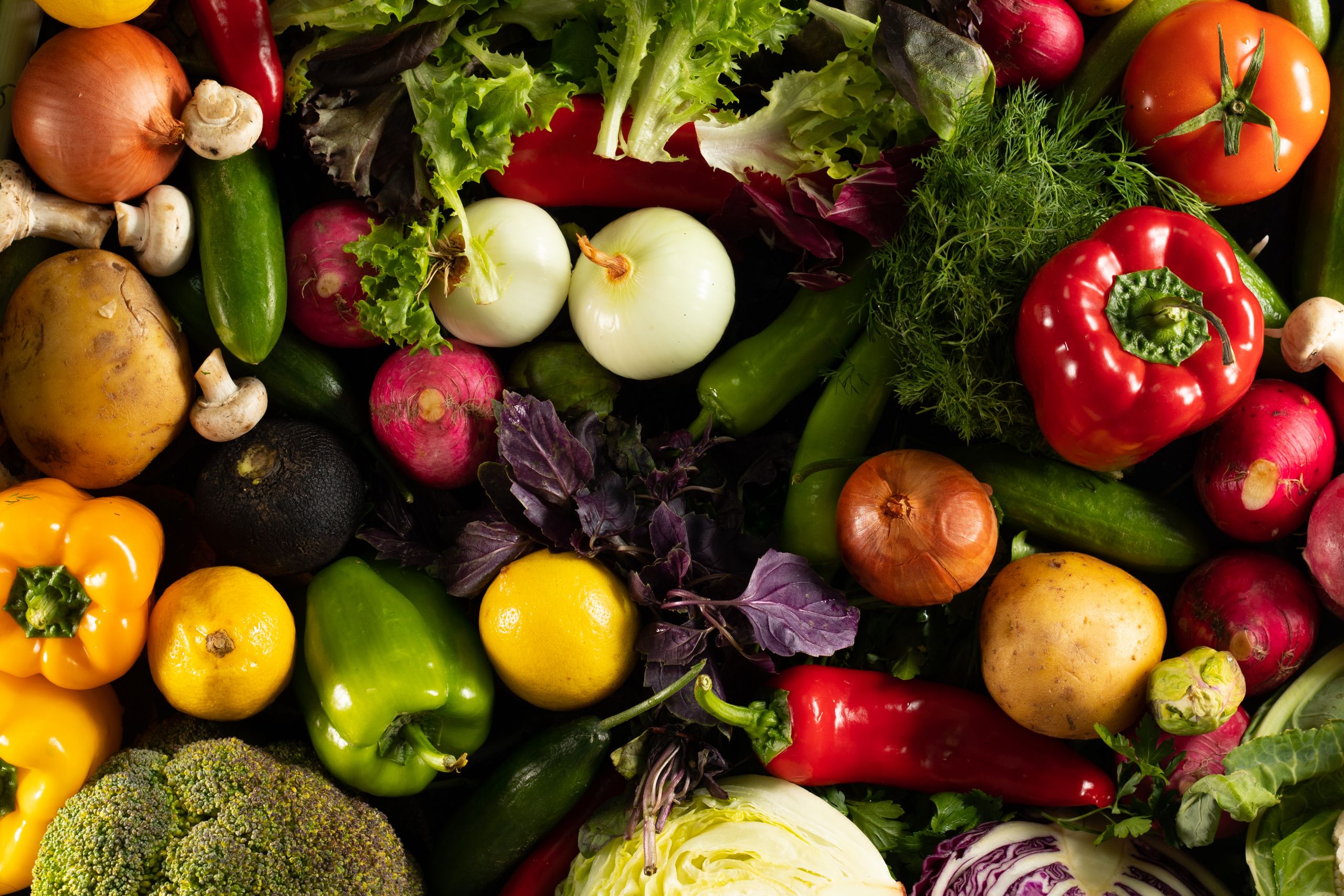
Organic products are those that have been grown without the use of chemical fertilizers, pesticides, growth hormones, antibiotics, genetically modified organisms (GMOs), or other synthetic elements. Organic certification requires that all ingredients meet stringent standards set by US Department of Agriculture (USDA). In addition to being free from toxins and chemicals, organic foods tend to have higher levels of nutrition than conventional counterparts.
Benefits of Organic Products
Compared to natural or artificial foods, drinks, and supplements there are numerous benefits associated with organic options. For starters, organic foods tend to have higher levels of vitamins and minerals than conventionally grown produce due to soil richness created by composting practices used in organic farming methods. Additionally, since organic farmers do not use chemical fertilizers on their crops there is less risk for contamination by potentially harmful toxins like mercury or lead which can occur when conventionally grown crops come into contact with contaminated soil or water sources. Furthermore, since organic farmers do not use antibiotics on their livestock there is a reduced risk for antibiotic resistance in humans who consume their meat or dairy products. Finally, many people choose organic because it supports local farmers who use sustainable farming practices which helps protect the environment from further degradation caused by industrial farming methods used in conventional agriculture.
Negative Side Effects of Non-Organic Items
While there are numerous benefits associated with choosing an organic lifestyle some people may experience adverse side effects from consuming non-organic items such as artificial food coloring or preservatives found in many processed items like chips or sodas. These substances can interfere with cognitive functioning such as memory recall , concentration , reaction time , decision making , alertness , learning abilities , etc . Additionally , studies have linked the consumption of certain non-organic items such as MSG (monosodium glutamate) found in some Chinese dishes with headaches , nausea , abdominal pain , chest pain , fatigue , depression symptoms , anxiety symptoms & more . Lastly , research has suggested a possible link between consumption of non-organic food & beverages & disruption of our body’s production/levels of melatonin – a hormone produced by our pineal gland which has various functions related to sleep & wake cycles.
Ultimately it is up to each individual person to decide what type of food they want to put into their bodies; however it is important for us all to understand the differences between natural/artificial vs organic foods so we can make informed choices about our diets & lifestyles. Eating organically has numerous benefits including increased nutrient content & decreased exposure to potential toxins & chemicals. It also helps support local farmers who practice sustainable agriculture which helps protect our environment & preserves wildlife habitats. So if you want optimal health & longevity then going all out on an entirely certified 100% Organic diet could be your best bet!
Thanks for reading, if you found this blog helpful please share with a loved one.
Have you seen our organically sourced grass-fed whey protein isolate made in New Zealand – family farming, check it out www.organicinnovation.com.au
For decades, creatine was associated almost exclusively with bodybuilding, powerlifting and young men trying to build muscle. That perception is changing. In 2026, creatine has become one of the most talked-about supplements in women’s fitness and healthy ageing — particularly among women approaching or moving through perimenopause and menopause. And unlike many wellness trends, the […]
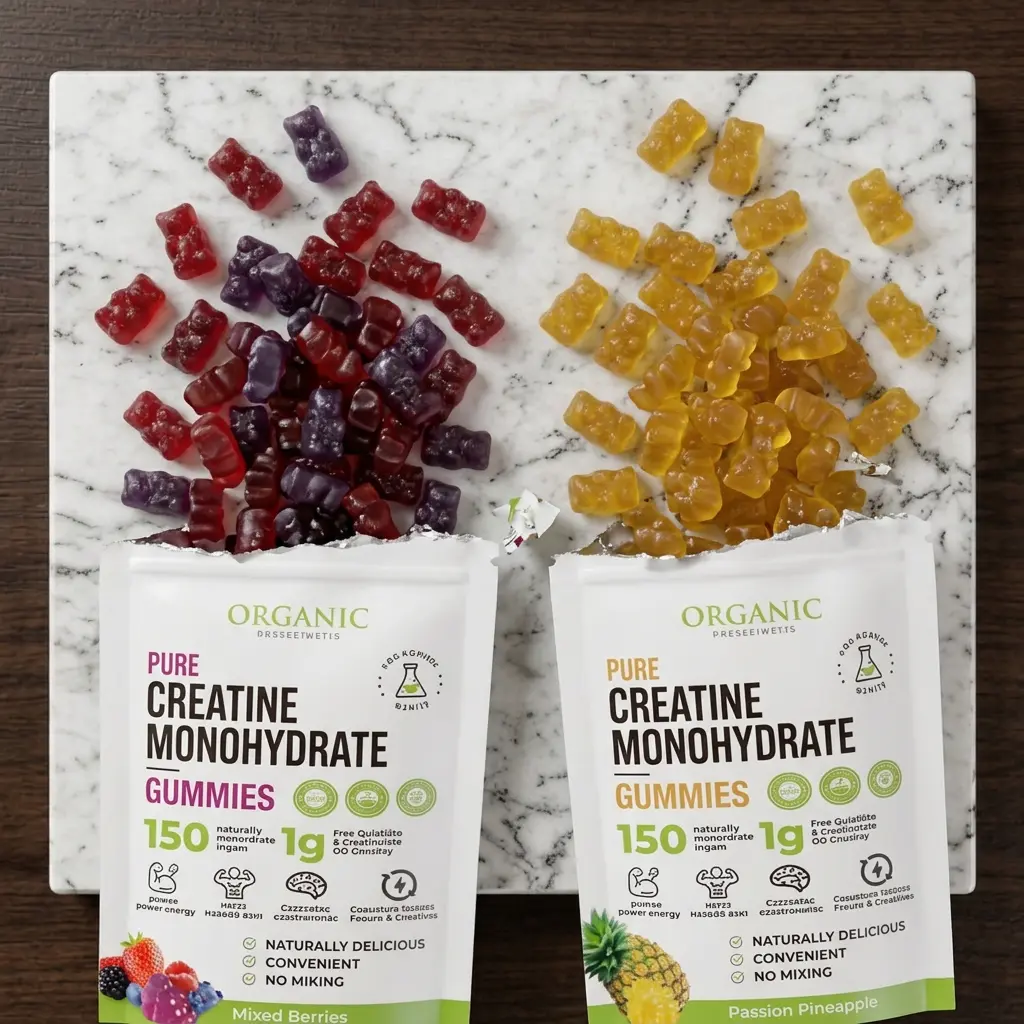
In a supplement industry filled with new ingredients, complicated formulas and constantly changing trends, very few products have stood the test of time quite like creatine monohydrate. Creatine is not a new discovery, a passing fitness trend or an ingredient built around clever marketing. It is one of the most extensively researched sports nutrition supplements […]
In today’s world, our bodies are exposed to more environmental stressors than ever before. Ultra-processed foods packed with artificial colours, flavours and preservatives, frequent takeaway meals cooked in highly refined seed and vegetable oils, air pollution, pesticides, microplastics found in food packaging and drinking water, and trace amounts of heavy metals from our environment all […]