The Gut-Brain Connection: Why Digestive Health Impacts Mood, Focus & Mental Clarity
Gurkan Gurgur
June 15th, 2026
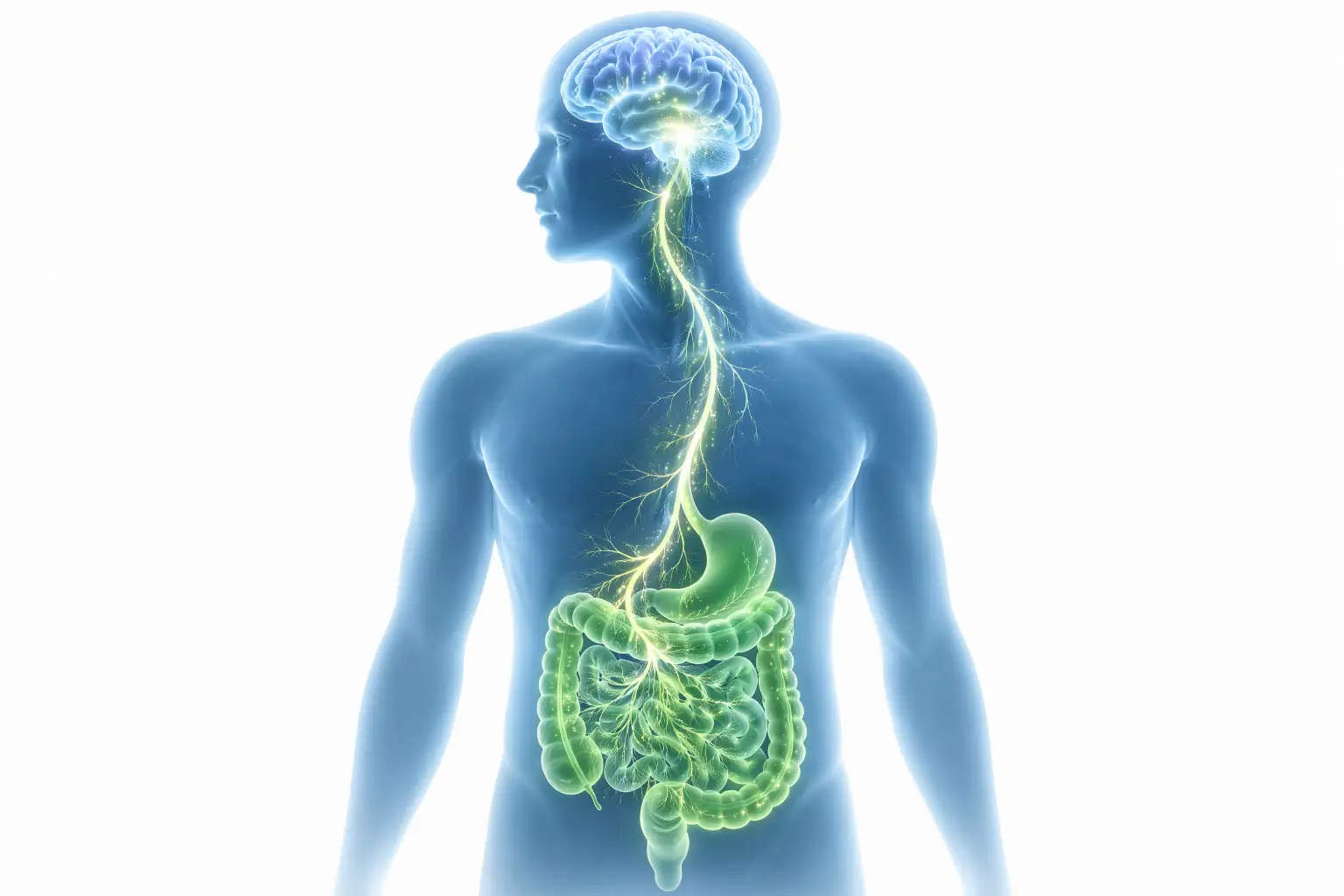
When most people think about digestive health, they focus on issues like bloating, indigestion, or stomach discomfort. However, your gut does far more than process food. Emerging research continues to reveal a fascinating relationship between your digestive system and your brain – commonly known as the gut-brain connection.
This two-way communication network influences everything from your mood and energy levels to your ability to focus, think clearly, and manage stress. In other words, taking care of your gut may be one of the most important steps you can take for your overall mental well-being.
Understanding the Gut-Brain Connection
The gut and brain are constantly communicating through a complex system of nerves, hormones, and biochemical signals. One of the key pathways is the vagus nerve, which acts as a direct communication highway between the digestive tract and the brain.
Your digestive system is also home to trillions of microorganisms collectively known as the gut microbiome. These beneficial bacteria help regulate digestion, nutrient absorption, immune function, and even the production of neurotransmitters that influence mood and cognitive performance.
Because of this close relationship, disruptions in gut health can sometimes affect how you feel mentally and emotionally.
Your Gut Produces Mood-Supporting Chemicals
Many people are surprised to learn that a significant portion of the body’s serotonin—a neurotransmitter often associated with happiness and emotional balance—is produced in the gut.
Serotonin plays an important role in regulating:
Mood
Sleep quality
Stress response
Emotional well-being
Appetite
A healthy digestive system helps create an environment where these processes can function more effectively. When gut health is compromised, it may impact the body’s ability to maintain optimal neurotransmitter activity.
How Digestive Health Affects Focus and Mental Clarity
Have you ever experienced brain fog after a heavy meal or during periods of digestive discomfort?
The gut-brain connection may help explain why.
Your brain depends on a steady supply of nutrients to function efficiently. When digestion and nutrient absorption are not operating optimally, your body may struggle to access the vitamins, minerals, and amino acids needed to support cognitive performance.
Poor digestive health may contribute to:
Difficulty concentrating
Reduced productivity
Mental fatigue
Slower information processing
Lack of motivation
Brain fog
Supporting gut health can help create a stronger foundation for sustained mental energy and clearer thinking throughout the day.
The Role of Inflammation
Researchers also believe that gut health can influence inflammation throughout the body.
When the balance of bacteria in the digestive system becomes disrupted, it may contribute to increased inflammatory responses. Chronic inflammation has been linked to various aspects of physical and mental well-being, including mood regulation and cognitive performance.
Maintaining a healthy gut microbiome may help support the body’s natural balance and overall wellness.
Signs Your Gut May Need More Attention
Because the gut and brain are so closely connected, digestive imbalances can show up in multiple ways.
Some common signs include:
Frequent bloating
Gas or digestive discomfort
Irregular bowel movements
Food sensitivities
Low energy levels
Difficulty focusing
Brain fog
Mood fluctuations
Poor sleep quality
While these symptoms can have many causes, paying attention to digestive health may be an important part of supporting overall well-being.
Simple Ways to Support Gut Health
The good news is that small daily habits can make a meaningful difference.
1. Eat More Fiber-Rich Foods
Vegetables, fruits, legumes, nuts, seeds, and whole grains help nourish beneficial gut bacteria and support healthy digestion.
2. Include Fermented Foods
Foods such as yogurt, kefir, kimchi, sauerkraut, and miso contain beneficial bacteria that may help support a healthy microbiome.
3. Stay Hydrated
Adequate water intake helps maintain healthy digestion and supports nutrient absorption.
4. Prioritize Quality Sleep
Sleep and gut health are closely linked. Aim for consistent, restorative sleep whenever possible.
5. Manage Stress Levels
Chronic stress can negatively affect digestion and gut bacteria. Activities like walking, meditation, stretching, and deep breathing may help support both mental and digestive wellness.
6. Stay Physically Active
Regular exercise supports healthy digestion, circulation, energy levels, and overall health.
The Bottom Line
Your gut is much more than a digestive organ—it’s a key player in how you think, feel, and function every day. From influencing mood-supporting neurotransmitters to helping regulate focus, energy, and mental clarity, the connection between gut health and brain health is stronger than many people realize.
By prioritizing healthy eating habits, stress management, quality sleep, and regular physical activity, you can support both your digestive system and your mental well-being.
After all, a healthier gut may be one of the foundations of a healthier, happier, and more focused mind.
Support Your Wellness Journey
Healthy habits form the foundation of good health. Alongside a balanced diet and active lifestyle, nutritional support can help you stay consistent with your wellness goals and maintain overall vitality every day.
For decades, creatine was associated almost exclusively with bodybuilding, powerlifting and young men trying to build muscle. That perception is changing. In 2026, creatine has become one of the most talked-about supplements in women’s fitness and healthy ageing — particularly among women approaching or moving through perimenopause and menopause. And unlike many wellness trends, the […]
In a supplement industry filled with new ingredients, complicated formulas and constantly changing trends, very few products have stood the test of time quite like creatine monohydrate. Creatine is not a new discovery, a passing fitness trend or an ingredient built around clever marketing. It is one of the most extensively researched sports nutrition supplements […]
In today’s world, our bodies are exposed to more environmental stressors than ever before. Ultra-processed foods packed with artificial colours, flavours and preservatives, frequent takeaway meals cooked in highly refined seed and vegetable oils, air pollution, pesticides, microplastics found in food packaging and drinking water, and trace amounts of heavy metals from our environment all […]