The Power of Creatine Monohydrate: Science, Strength, and Simplicity in Modern Supplementation
Gurkan Gurgur
April 23rd, 2026
In a world saturated with supplements, very few compounds have stood the test of time with the level of scientific validation, consistency, and real-world results as creatine monohydrate. While trends come and go, creatine has remained a cornerstone in both athletic performance and cognitive research for over a century.
This is not hype. This is one of the most studied, proven, and effective compounds you can introduce into your daily routine.
To understand why, we must first understand where it came from, what it truly is, and why its benefits extend far beyond the gym.
The Origins of Creatine: From Discovery to Dominance
Creatine was first discovered in 1832 by French scientist Michel Eugène Chevreul, who identified it as a naturally occurring compound found in skeletal muscle. The name “creatine” is derived from the Greek word kreas, meaning flesh.
However, it wasn’t until the early 20th century that researchers began to understand its role in energy metabolism. By the 1920s, scientists had identified creatine phosphate (phosphocreatine) as a critical component in the body’s ability to rapidly regenerate ATP (adenosine triphosphate), the primary energy currency of the cell.
Fast forward to the 1990s, and creatine entered the mainstream through elite athletic performance. Olympic athletes, sprinters, and strength competitors began using creatine supplementation to enhance power output and recovery. Since then, thousands of peer-reviewed studies have been conducted, consistently reinforcing its effectiveness and safety.
Today, creatine monohydrate is widely regarded as the gold standard form – pure, stable, and extensively validated.
What Is Creatine Monohydrate?
Creatine is a naturally occurring compound synthesized in the liver, kidneys, and pancreas from amino acids – arginine, glycine, and methionine. It is also obtained through dietary sources such as red meat and fish, though in relatively small amounts.
Once stored in muscle tissue, creatine binds with a phosphate molecule to form phosphocreatine. This compound plays a critical role in the rapid regeneration of ATP during high-intensity, short-duration activities such as lifting weights, sprinting, or explosive movements.
In simple terms:
Creatine allows your body to produce more energy, faster.
Creatine monohydrate is the most researched and bioavailable form, consisting of creatine bound with a water molecule. It has consistently demonstrated superior absorption, stability, and efficacy compared to other forms marketed over the years.
The Proven Benefits of Creatine Monohydrate
1. Increased Strength and Power Output
Greater lifting capacity
Increased repetitions
Improved sprint performance
Enhanced explosive movements
Over time, this leads to significantly improved training volume and performance output.
2. Accelerated Muscle Growth and Lean Mass Development
Increased training intensity – greater stimulus for hypertrophy
Cell volumisation – muscles retain more intracellular water
Enhanced protein synthesis – improved recovery and repair
Numerous long-term studies have shown that individuals supplementing with creatine gain more lean muscle mass compared to those who do not.
3. Improved Recovery and Reduced Muscle Fatigue
Faster ATP replenishment
Reduced muscle damage
Lower inflammation markers
Improved repeated effort performance
This means you can train harder, recover faster, and stay consistent.
4. Cognitive Function and Brain Health
Improved memory and recall
Enhanced mental clarity
Reduced mental fatigue
Neuroprotective potential
5. Support for Healthy Aging
Preserves lean muscle mass
Improves strength
Supports brain energy
6. Cellular Hydration and Muscle Integrity
Enhances muscle fullness
Improves nutrient delivery
Supports cellular integrity
Creates an anabolic environment
The Modern Problem: Supplement Overload
Protein powders. Collagen blends. Creatine. Greens. Electrolytes.
People are becoming fatigued by the process.
Multiple scoops. Shakers. Timing protocols.
And when consistency breaks, results disappear.
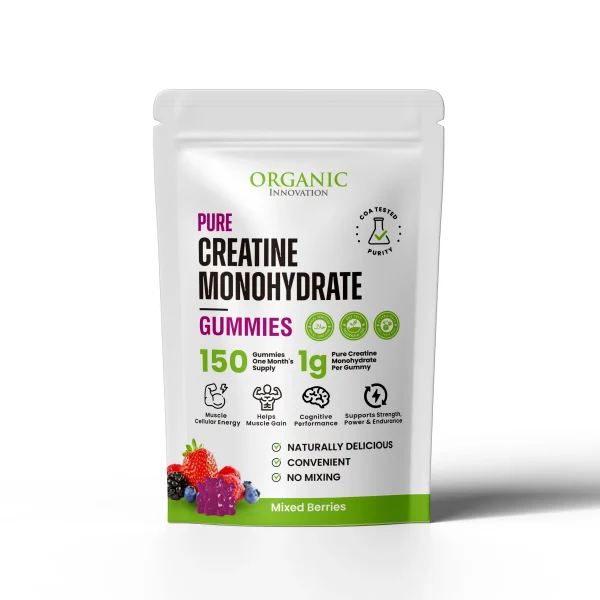
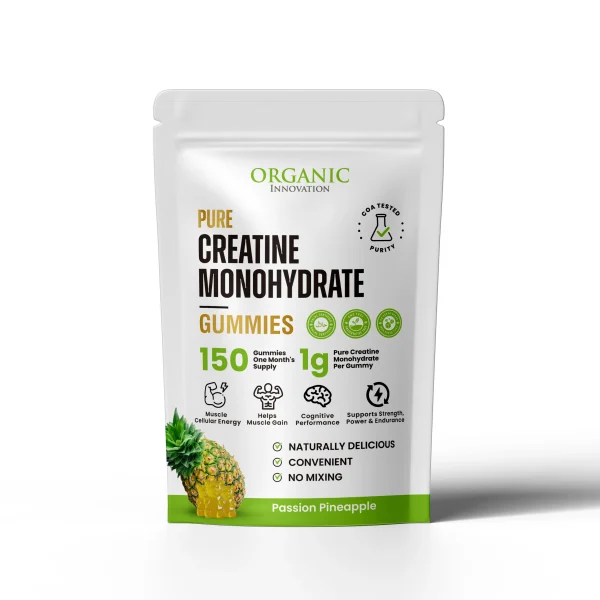
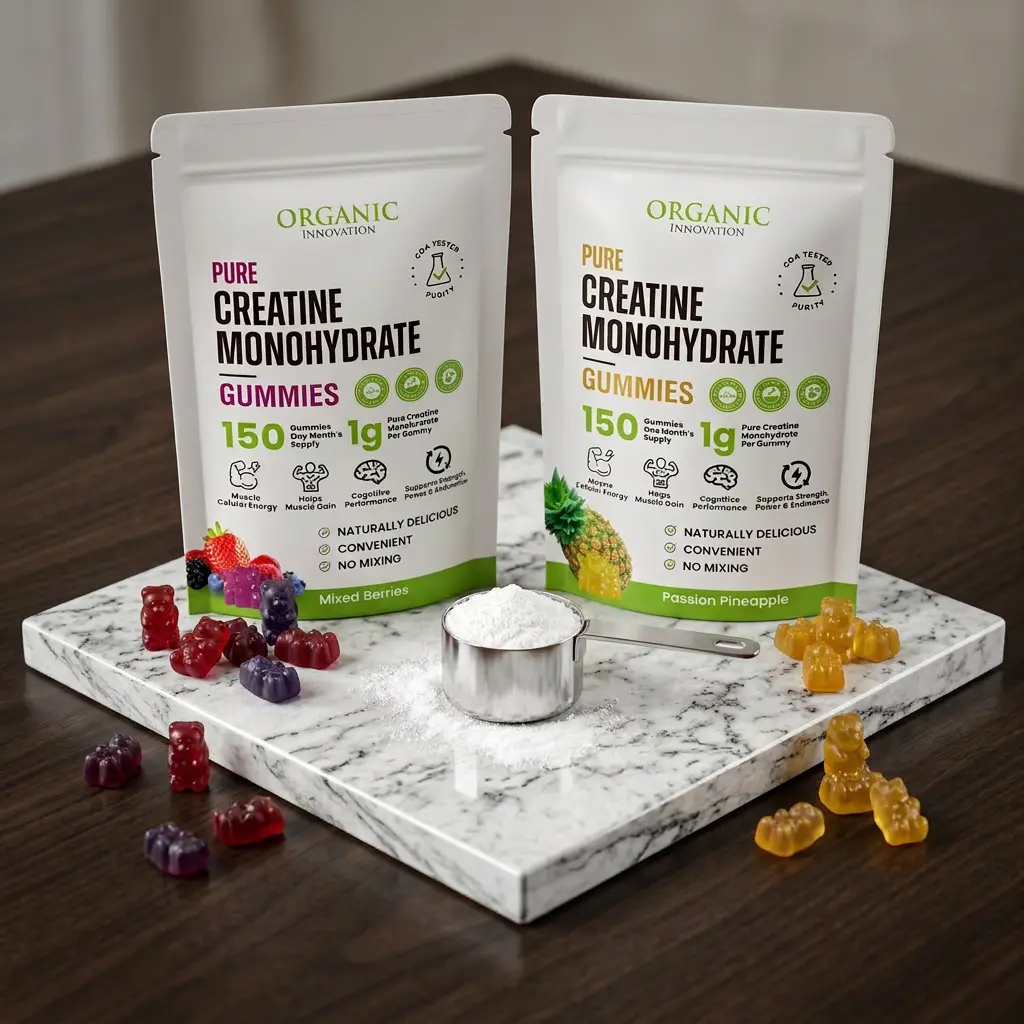
A Simpler, Smarter Approach: Creatine Gummies
If something is easier to take, you will take it consistently.
Modern life places constant demands on the body. Processed foods, alcohol, environmental pollutants, poor sleep, chronic stress, sedentary lifestyles and nutritional deficiencies can all influence how well we feel and function. It is therefore understandable why “detoxing” and strengthening the immune system have become such major areas of interest. But there is an important difference […]
For decades, creatine was associated almost exclusively with bodybuilding, powerlifting and young men trying to build muscle. That perception is changing. In 2026, creatine has become one of the most talked-about supplements in women’s fitness and healthy ageing — particularly among women approaching or moving through perimenopause and menopause. And unlike many wellness trends, the […]
In a supplement industry filled with new ingredients, complicated formulas and constantly changing trends, very few products have stood the test of time quite like creatine monohydrate. Creatine is not a new discovery, a passing fitness trend or an ingredient built around clever marketing. It is one of the most extensively researched sports nutrition supplements […]